
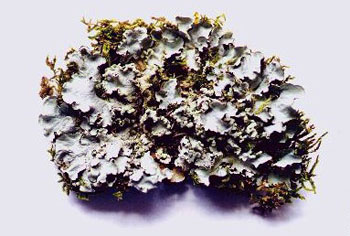
The approximately 10,000 people who live in the mid slopes of the Eastern Himalayas are primarily of the Adi, Buddhist and Mishmi tribes with ten sub tribes, the oldest known lineage of humans in the Northern Hemisphere. It is from their remarkable storehouse of knowledge that this mystical herb called “the blooms of rocks” now make their presence to modern civilization.
Of all the marvelous species of fungi on earth, the lichens are perhaps the most fascinating of all. Several hundred million years ago, a most remarkable marriage took place between the vast kingdoms of algae and fungi.
Lichens like this, were used by these tribesmen when challenged to live under the most extreme conditions, without food for long periods during winter. They used this amazing herb both as food for the body and drink for the mind.
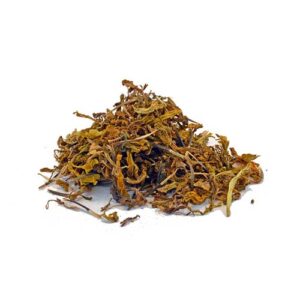
Usually ground into a smooth paste with hemp seeds, crushed with catnip, sage and rhodolia or just smoked as is, this ancient herb reportedly creates a deep sense of relaxation and well being while enhancing vision and relieving depression.
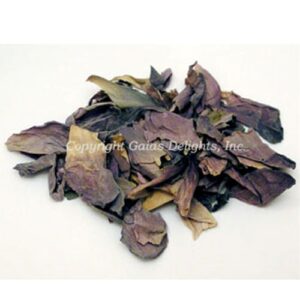
Often used together with its companion herb, woodrose or ipomea (illegal to consume in many parts of the world), it reportedly makes the deeply meditative and insightful states of parmotrema more accessible, and activates the centered and inward focus of the meditation. Used together, they reportedly produce a much more productive time of contemplation, which is often followed by great insights and breakthroughs.
Las aproximadamente 10,000 personas que viven en las pendientes del Himalaya del este son primordialmente Adi, Buddhistas y de tribus Mishmi con diez sub-tribus, la línea mas antigua de humanos en el Himisferio Norte. Es de su impresionante sabiduría que esta hierba mística llamada “the blooms of rocks / la flor de la piedra” llega hasta la civilización moderna.
De todas las maravillosas especies de hongos en la tierra, los líquenes son quizás las más fascinantes. Hace más de cien millones de años, el más increíble matrimonio produjo entre los reinos de las algas y los hongos.
Líquenes como estos, fueron usados por las tribus cuando debían sobrevivir en las condiciones mas extremas sin comida durante largos periodos durante el invierno. Utilizaban esta hierba tanto para nutrir el cuerpo como para bebida para la mente.
Usualmente molida hasta ser una pasta suave con semillas de cáñamo, machacadas con catnip, slavia (sage) y rhodolia o tan solo fumadas por si sola. Esta hierba antigua es conocida por crear un sentir de profunda relajación, y un sentimiento de bien estar, aumentando la visión y aliviando la depresión.
A menudo utilizados con su hierba compañera, woodrose o ipomea (cuyo consumo es ilegal en muchas partes del mundo), aparentemente hace que los estados de profunda meditación y entendimiento (parmotrema) sean mas accesibles, y activa el enfoque de la meditación hacia el centro (inward focus). Cuando estas yerbas se utilizan juntas, producen una experiencia de contemplación mas productiva, seguida de períodos de entendimiento profundo.


Reviews
There are no reviews yet.