
Morning Glory
Showing all 4 results
-
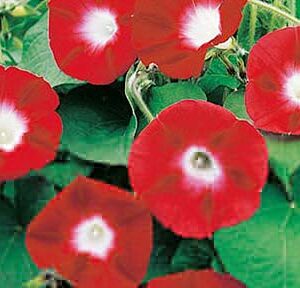
All Seeds, Morning Glory, Morning Glory Seeds, Seed Bank
Price range: $5.99 through $18.99 Select options This product has multiple variants. The options may be chosen on the product page -

All Seeds, Morning Glory, Morning Glory Seeds, Seed Bank
Price range: $8.99 through $28.99 Select options This product has multiple variants. The options may be chosen on the product page -

All Seeds, Morning Glory, Morning Glory Seeds, Seed Bank
Price range: $6.99 through $19.99 Select options This product has multiple variants. The options may be chosen on the product page -
All Seeds, Morning Glory, Morning Glory Seeds, Seed Bank
Price range: $5.99 through $18.99 Select options This product has multiple variants. The options may be chosen on the product page
Showing all 4 results
<strong>Morning Glory Seeds – Ipomoea violacea</strong>
There controversy regarding the place Morning Glories hold in Shamanic tradition, but there is also a reasonable amount of evidence that points to at least the Aztecs holding the plant sacred. We only offer these botanical specimens as viable seeds for your own Shaman’s Garden. They are easy to cultivate, and will practically grow themselves, year after year, regardless of climate.
These beautiful plants are a great addition to any garden, and the beautiful flowers are a constant reminder of the historical significance they hold.